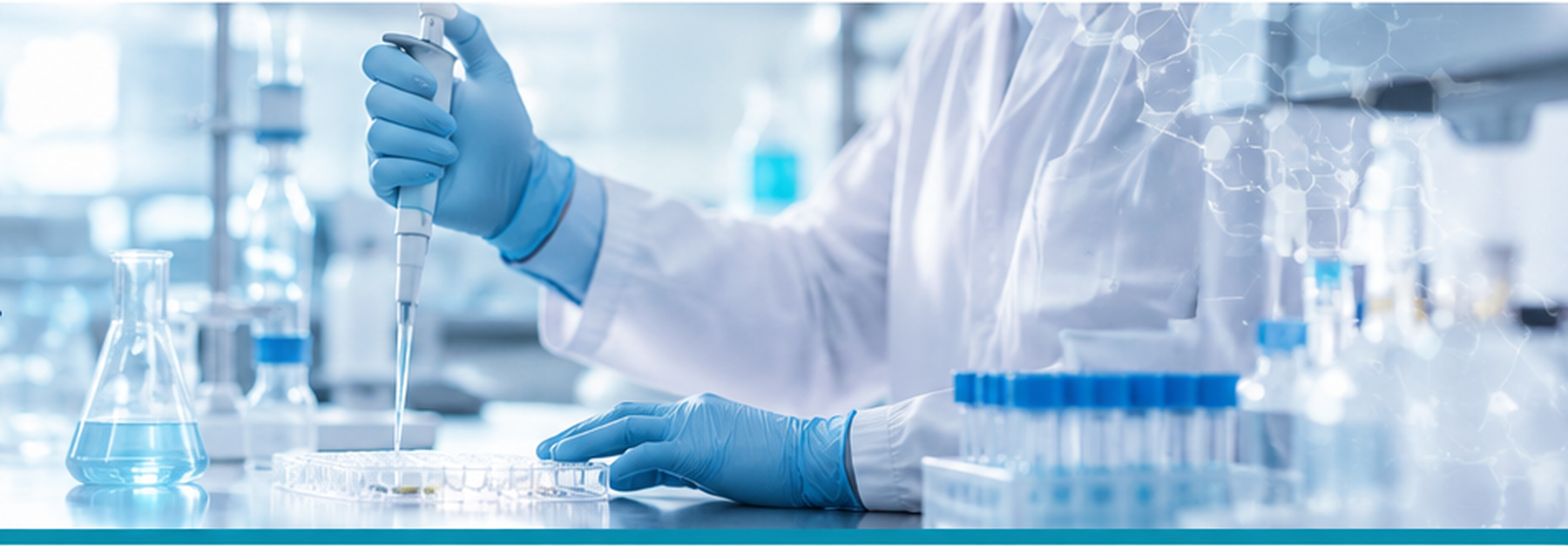
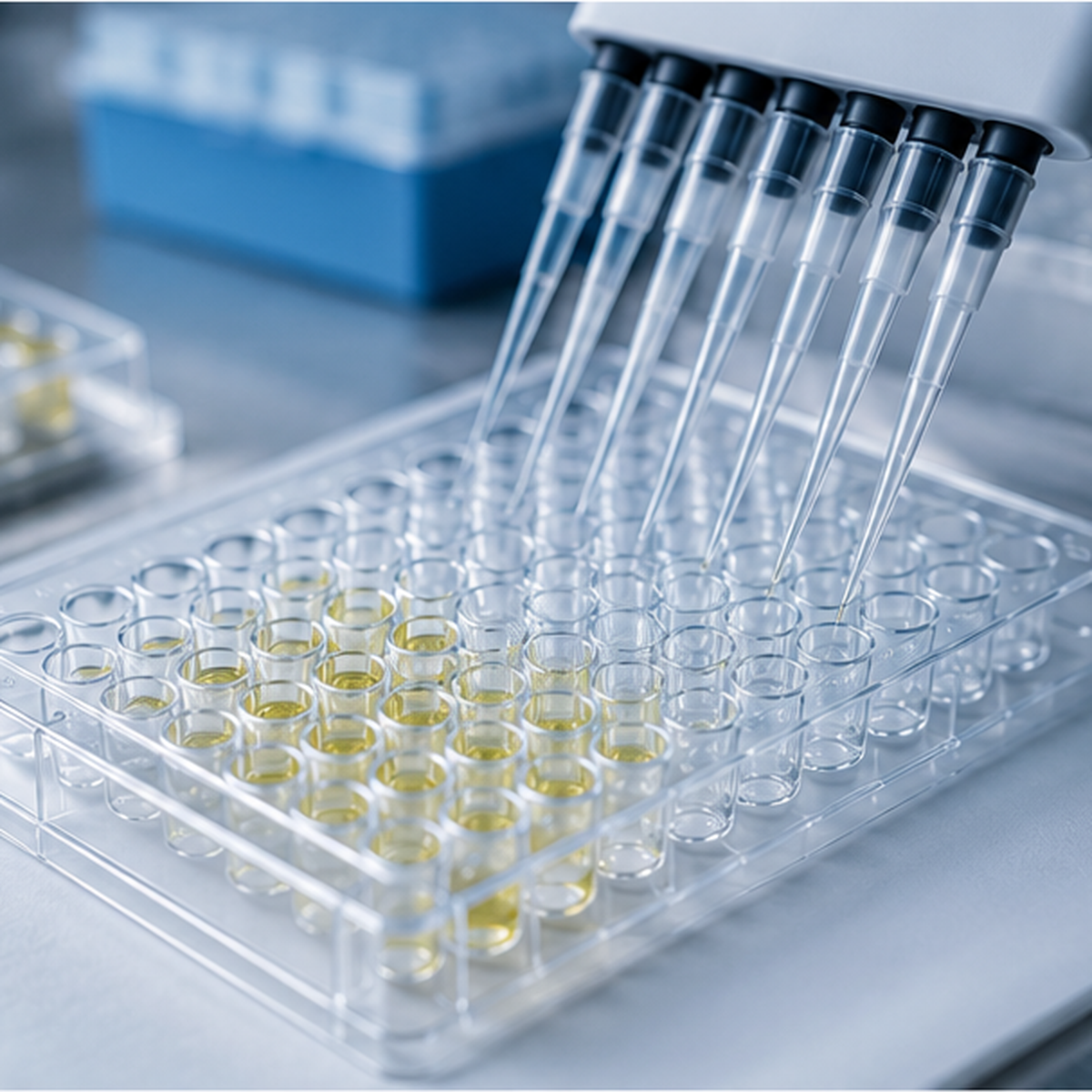
Effective cleaning is an important part of ensuring the safety and quality of reusable medical devices. But how can manufacturers generate objective evidence that a cleaning process is effectively removing residual contamination?
Biochemical assays can provide quantitative data on residual soils remaining on a medical device and help support the evaluation and validation of cleaning processes.
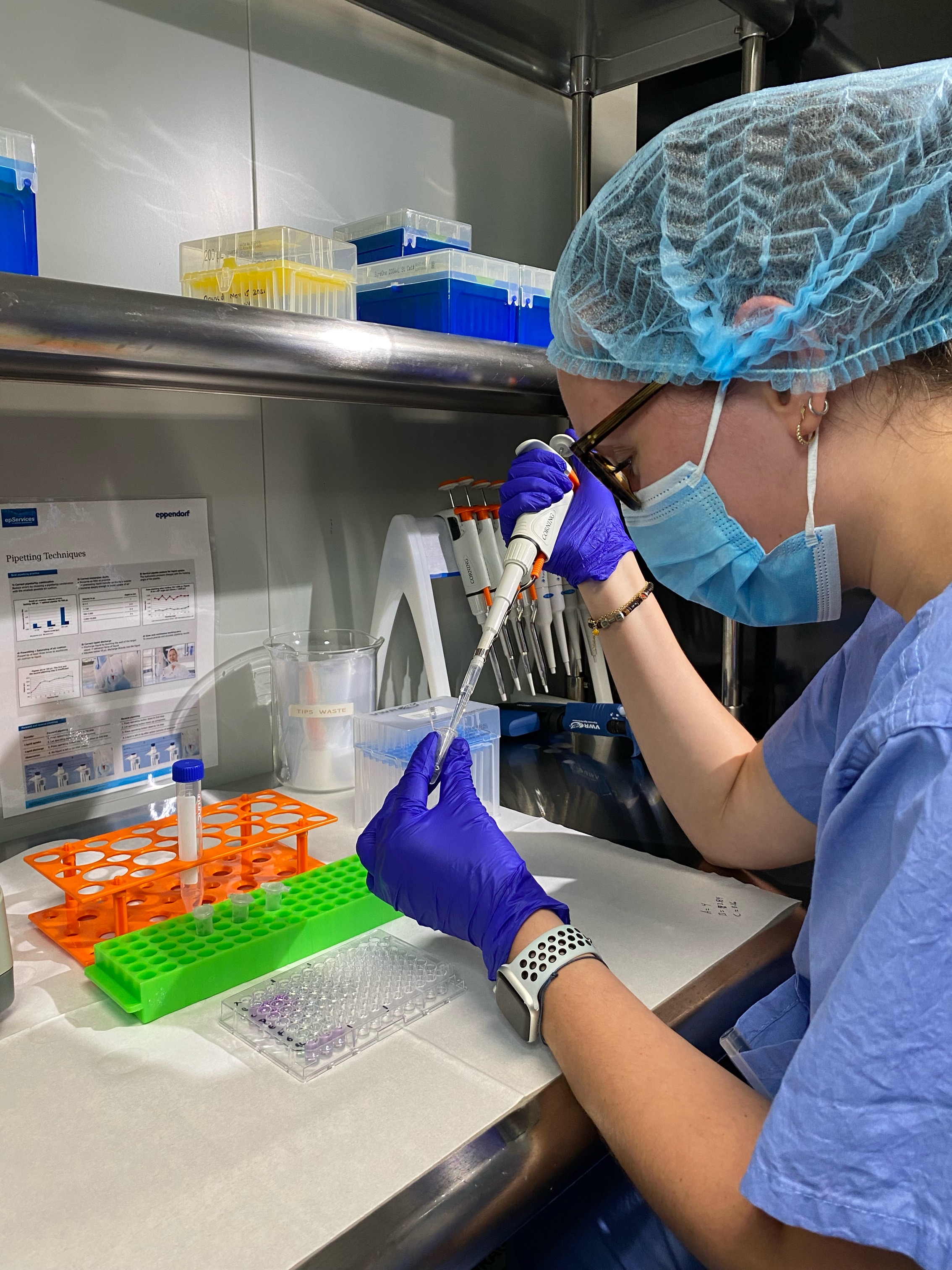
During my summer 2026 internship as a Biochemistry and Microbiology Laboratory Intern at SteriLabs, I had the opportunity to gain hands-on experience performing and interpreting biochemical assays under the guidance of the SteriLabs laboratory team.
While I had previously learned many of these analytical techniques through my studies at Humber Polytechnic, applying them in an ISO/IEC 17025-accredited testing laboratory gave me a new perspective on the importance of precision, consistency, documentation, and data quality.
One of the areas I worked with was residual protein testing, which can be used to quantify protein remaining on a device following cleaning. I also gained experience with hemoglobin testing, another useful indicator when evaluating residual contamination.
These types of assays can provide quantitative evidence that helps determine how effectively a cleaning process removes clinically relevant soils from a medical device.
One of the biggest things I learned during my internship was that performing an assay involves much more than simply following a procedure.
Sample preparation, pipetting technique, reagent preparation, timing, dilution factors, controls, and instrument measurements can all influence the quality of the final result. Understanding the performance and limitations of an analytical method is equally important when determining whether the generated data can be relied upon.
A particularly valuable part of my experience was learning how to troubleshoot unexpected results.
For example, a sample producing a measurement outside the assay's usable range may require additional dilution and repeat analysis. Instead of simply repeating a test, I learned to look at what the data was telling me and consider how factors such as sample concentration, dilution, preparation, or technique could have contributed to the result.
I also learned that generating a laboratory measurement is only one part of the process.
Raw analytical results need to be translated into meaningful information about the medical device being evaluated. Measured concentrations may need to be considered alongside factors such as extraction volume, dilution, device characteristics, and surface area to determine the amount of residual contamination recovered from the device.
Seeing this connection between laboratory measurements and cleaning-validation requirements helped me better understand the practical significance of biochemical testing.
My internship at SteriLabs has allowed me to bridge the gap between classroom theory and laboratory practice while developing a deeper appreciation for the role analytical testing plays in medical device validation.
Reliable biochemical testing provides valuable quantitative evidence for evaluating cleaning processes and supporting informed decisions about the effectiveness of medical device reprocessing.
The Device Works. Can the Hospital Safely Reprocess It? Why reprocessing validation needs to be part of the plan, and the budget, for new and modified medical devices developed in hospitals, Blog Post by Anas Aljabo
September 21, 2026
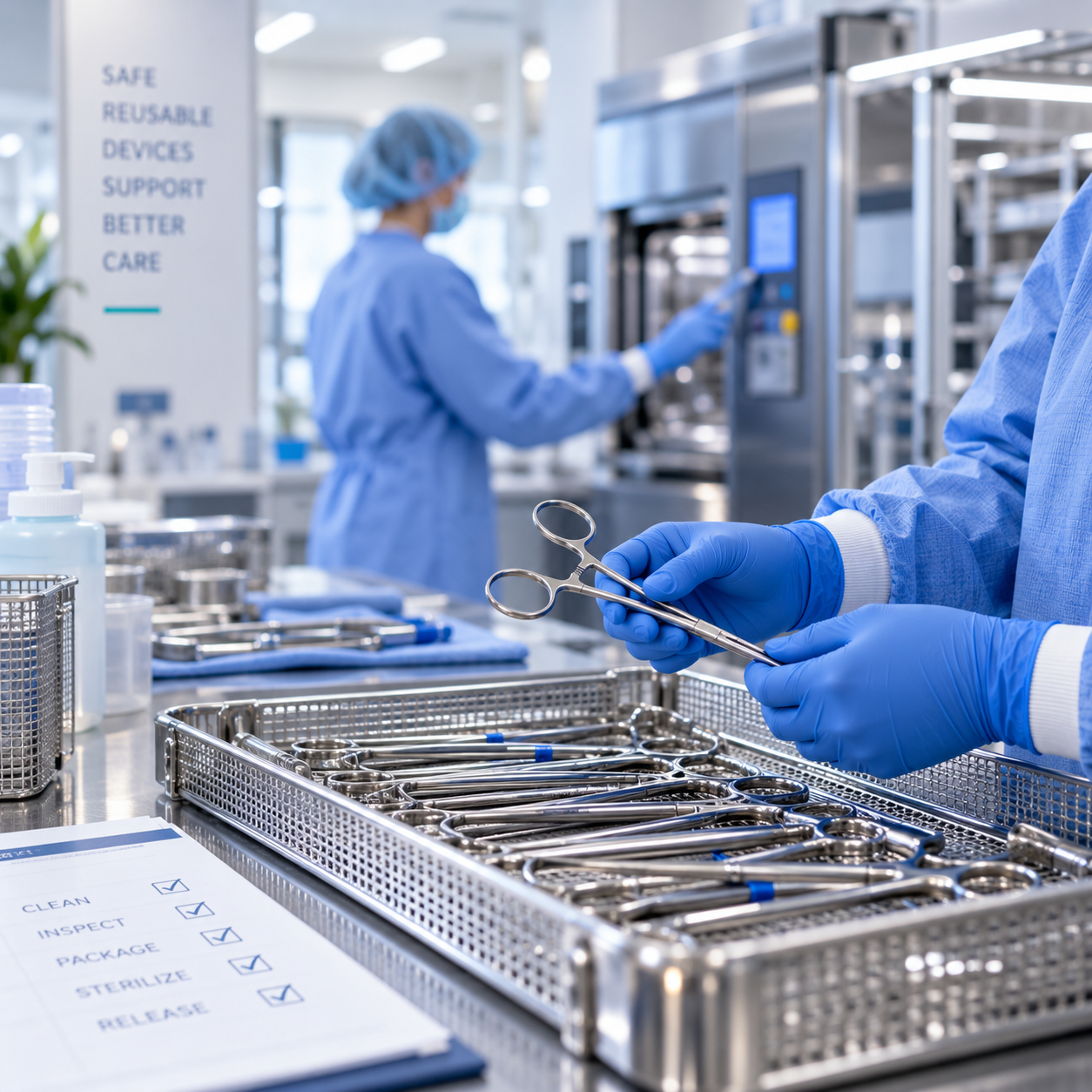
Choosing a Medical Device Testing Laboratory: Why ISO/IEC 17025 Accreditation Matters, Blog Post by David Abiola
September 14, 2026
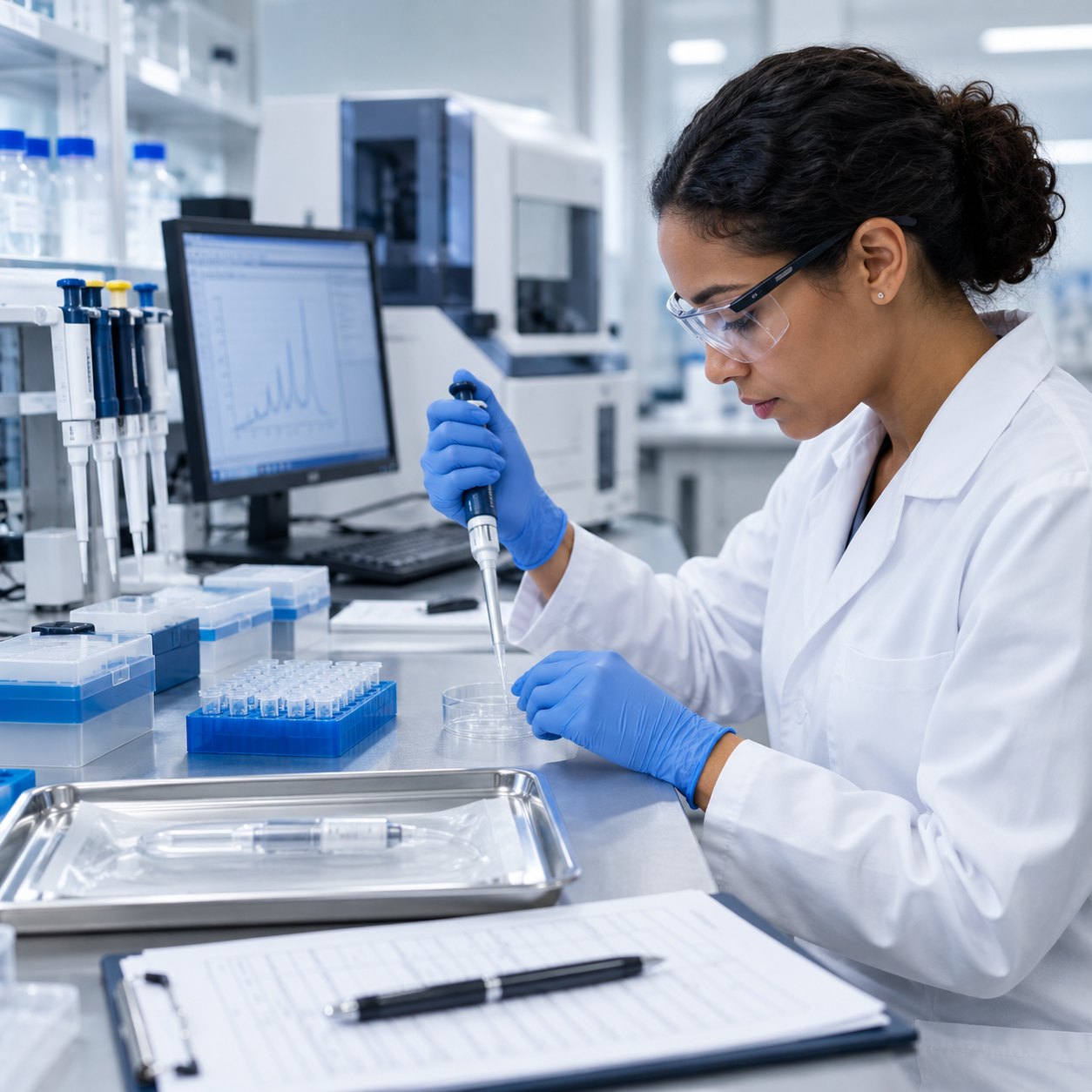
My SteriLabs Experience as an Interdisciplinary Biochemistry and Microbiology Intern. Blog post by Natasha Tal.
September 22, 2025
Microbiologist / Study Lead (Sterilization, Sterility Testing & QMS) — 24-Month Term
September 18, 2025

Media fill testing: Ensuring Aseptic Processing for Client Projects and Licence Applications. Blog Post by Natasha Tal
August 22, 2025
Designing safe and effective medical devices for home use, Blog Post by Andres Dumas
June 6, 2025


 +1 647-949-6661
 Prev
Prev